
OpenAI has expanded its GPT-6 family with two new models: GPT-6 Sol and GPT-6 Luna. Sol is the stronger balanced option for reasoning, coding and agentic work, while Luna is designed for faster, lower-cost, high-volume tasks.
The useful detail is that these models are not identical replacements for every ChatGPT user. Availability depends on whether you use ChatGPT, ChatGPT Work, Codex or the OpenAI API, and your plan still matters.

What is GPT-6 Sol?
GPT-6 Sol sits below GPT-6 Astra in OpenAI’s lineup. It is aimed at demanding coding, reasoning and agentic workflows, but with a lower price and faster operating profile than the flagship model.
For developers, the important point is that Sol is not just a smaller chatbot. OpenAI says it supports text and image input, tool use and the Responses API. It is the model to consider when a workflow needs strong reasoning but does not need the maximum capability of Astra for every request.
What is GPT-6 Luna?
GPT-6 Luna is the efficient model in this group. OpenAI positions it for focused, repeatable and high-volume tasks where speed and cost matter more than squeezing out the best possible answer every time.
That makes Luna a sensible fit for customer support, classification, summaries, extraction and other background jobs. Lower inference costs also give developers room to use it more often.

GPT-6 Sol vs GPT-6 Luna
| Model | Best for | Where it matters |
|---|---|---|
| GPT-6 Sol | Reasoning, coding and agentic work | ChatGPT Work, Codex and API workflows |
| GPT-6 Luna | Fast, repeatable and lower-cost tasks | High-volume API and desktop use cases |
How much do GPT-6 Sol and GPT-6 Luna cost?
For the standard OpenAI API rates listed in the current model documentation, GPT-6 Sol costs $2 per million input tokens and $10 per million output tokens. GPT-6 Luna costs $0.10 per million input tokens and $0.50 per million output tokens.
These are developer prices, not a new retail price for every ChatGPT plan. If you use ChatGPT as a consumer, access and limits are controlled by your plan and the product you are using.
What does this mean for ChatGPT users?
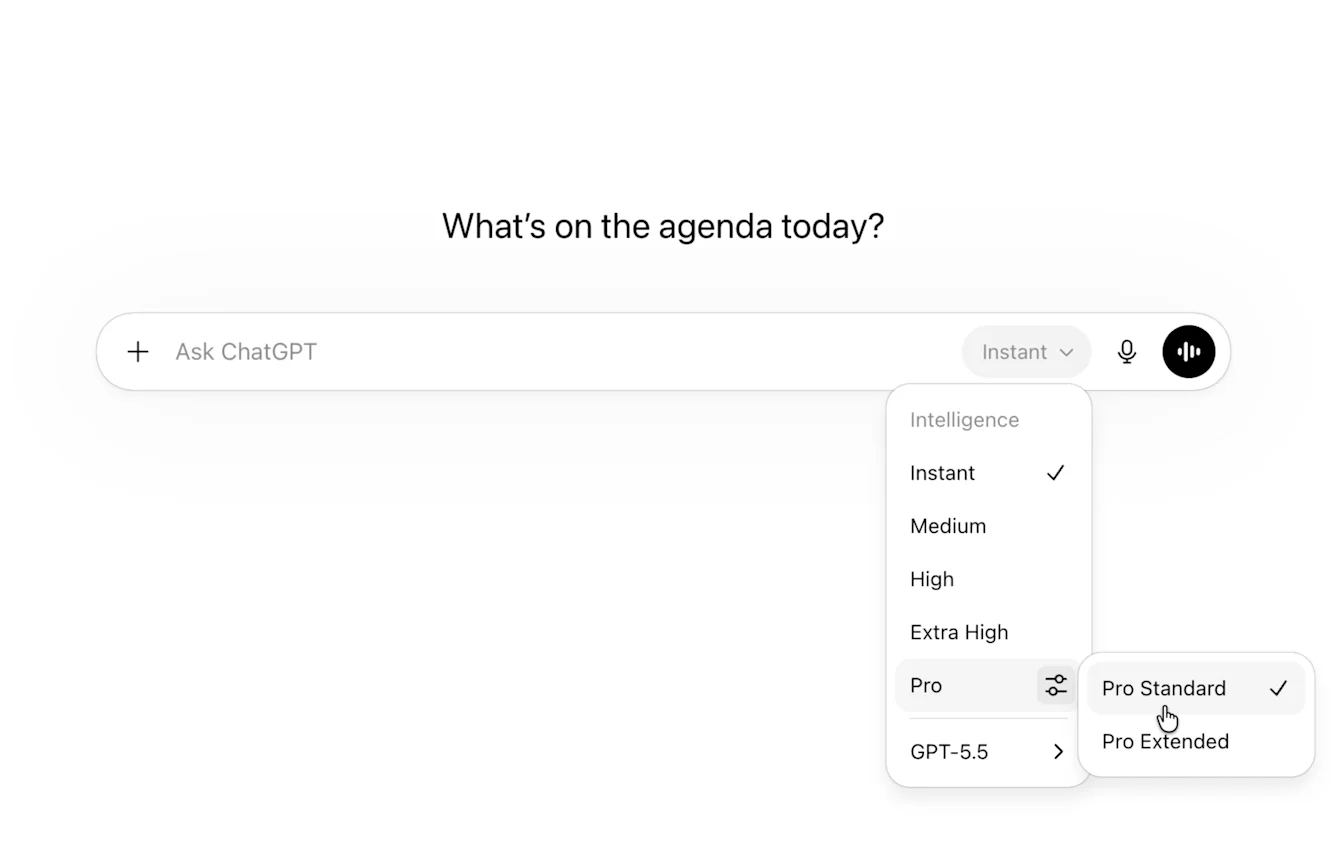
The short answer is that most people do not need to choose a model immediately. Sol is the more interesting option for users who want stronger reasoning and coding without always paying for the flagship tier. Luna matters when speed, usage limits or cost are the priority.
For users in India, the real question will be access and pricing in the products you already use. Developers can look at the API catalog now, but everyone else should wait for the model picker or plan page to show the option before assuming it is available on their account.
My take
This looks less like one big replacement and more like OpenAI filling out the GPT-6 family. Astra handles the hardest work, Sol is the practical middle ground and Luna brings down the cost for scale.
- SourceOpenAI API pricing